Andrew
Andersen
MEDIEVAL GEORGIA: 1089 - 1221 (“THE GOLDEN AGE”)
|
|
KING
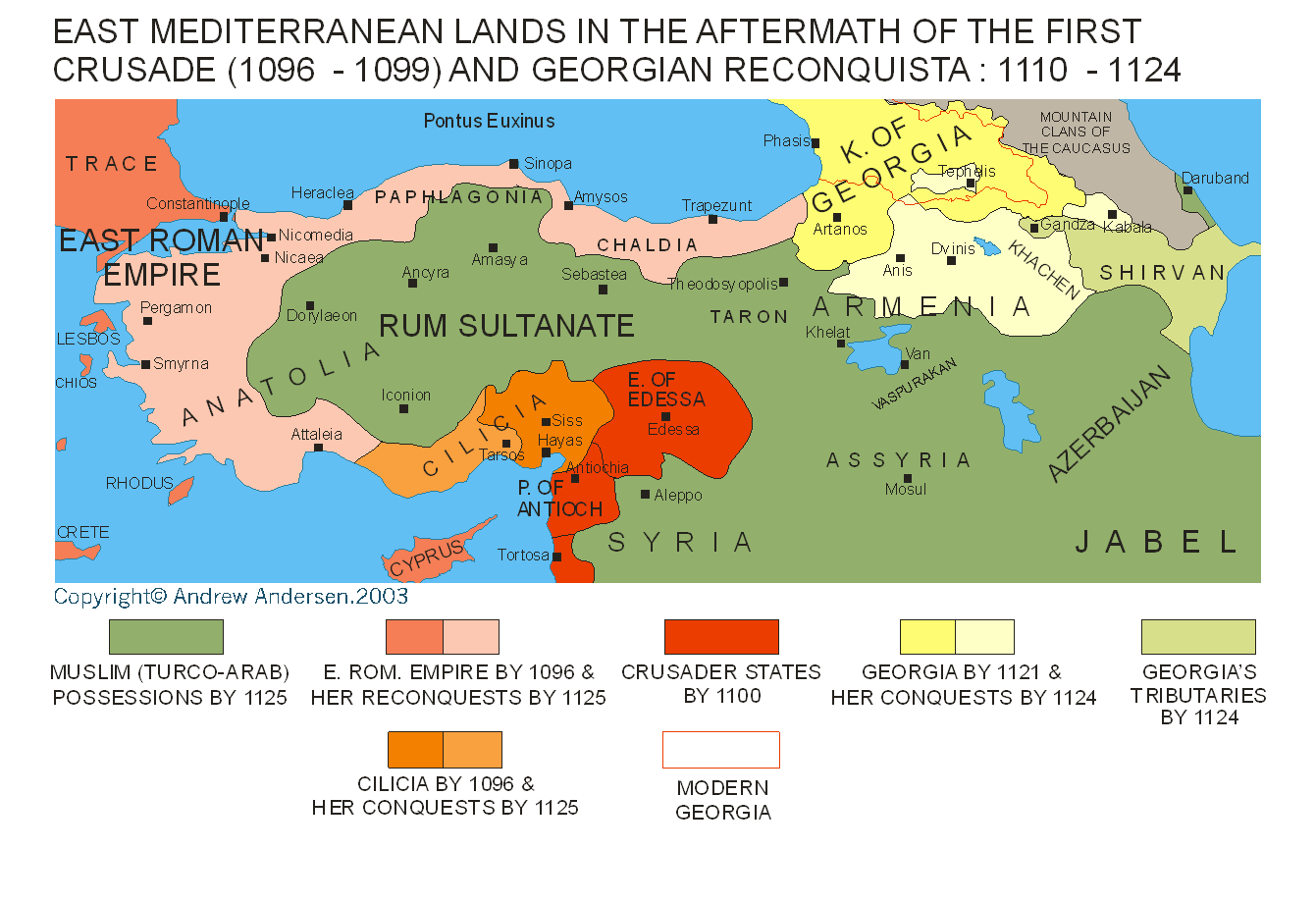
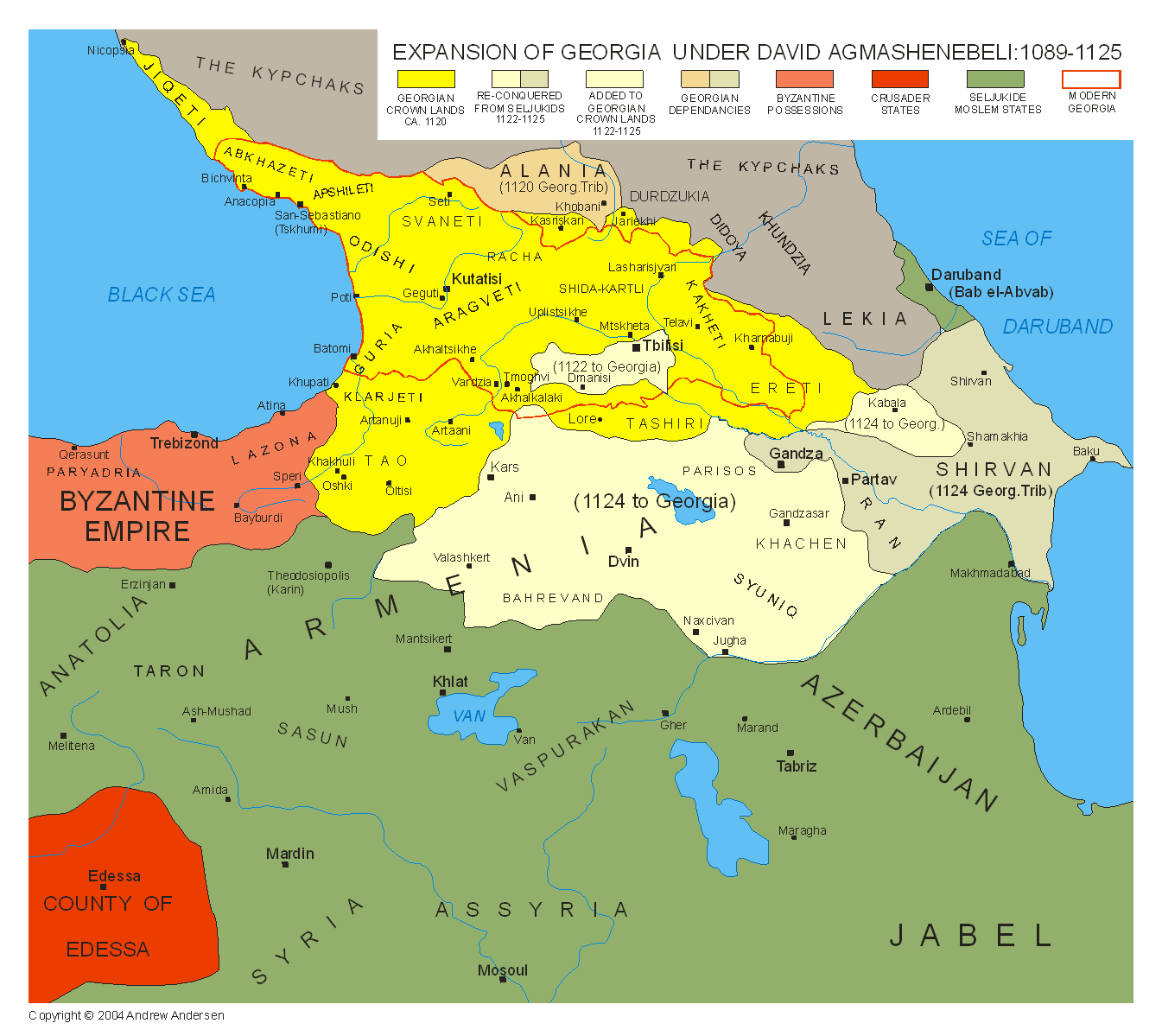
DAVID AGMASHENEBELI AND GEORGIAN RECONQUISTA: 1089 -1125 The Anti-Seljuk struggle in Soon after coming to power, David re-built
regular army and created peasant militia in order to be able to resist Seljuk
colonization of the country. The First Crusade (1096-1099) and Crusaders’
offensive against Seljuk Turks in Anatolia and In 1103 he reorganized In 1103–1105 Georgian army took over Ereti and made successful raids into still
Seljuk-controlled Shirvan. Between 1110 and 1118
David took Lore, Samshvilde,
In 1118-1119, having considerable amounts
of free, unsettled land as a result of the withdrawal of Turkish nomads and
desperately needing qualified manpower for the army King David invited some
40 000 Kypchak warriors from North Caucasia to settle
in Georgia with their families. In 1120 the ruler of Alania
recognized himself King David’s vassal and after that thousands of Alans (Ossets)
were allowed to cross the main Caucasus range into Georgia to be settled in Kartli and some other areas. Georgian Royal army was also
welcoming mercenaries from In 1121, Seljuk Sultan Mahmud declared
Jihad on |
|
Several months later, King David died
(01/1125) leaving (Click
on each map for better resolution) |
|
|
|
David Agmashenebeli’s
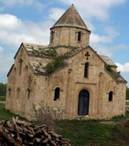
successors (Kings Demeter I, David V and George III) continued the policy of To the left: Ruins of an abandoned
Georgian church erected between 1130 and 1160 in present-day Daghestan |
|
|
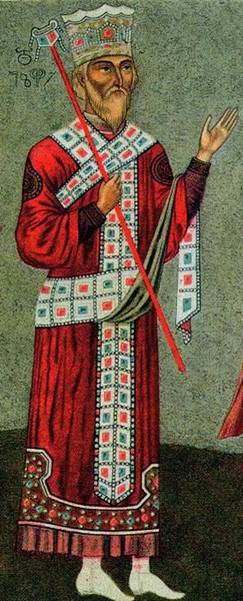
QUEEN
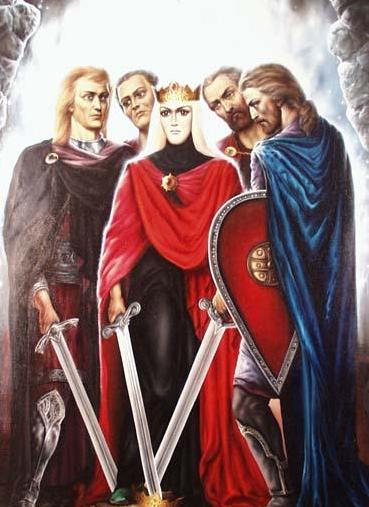
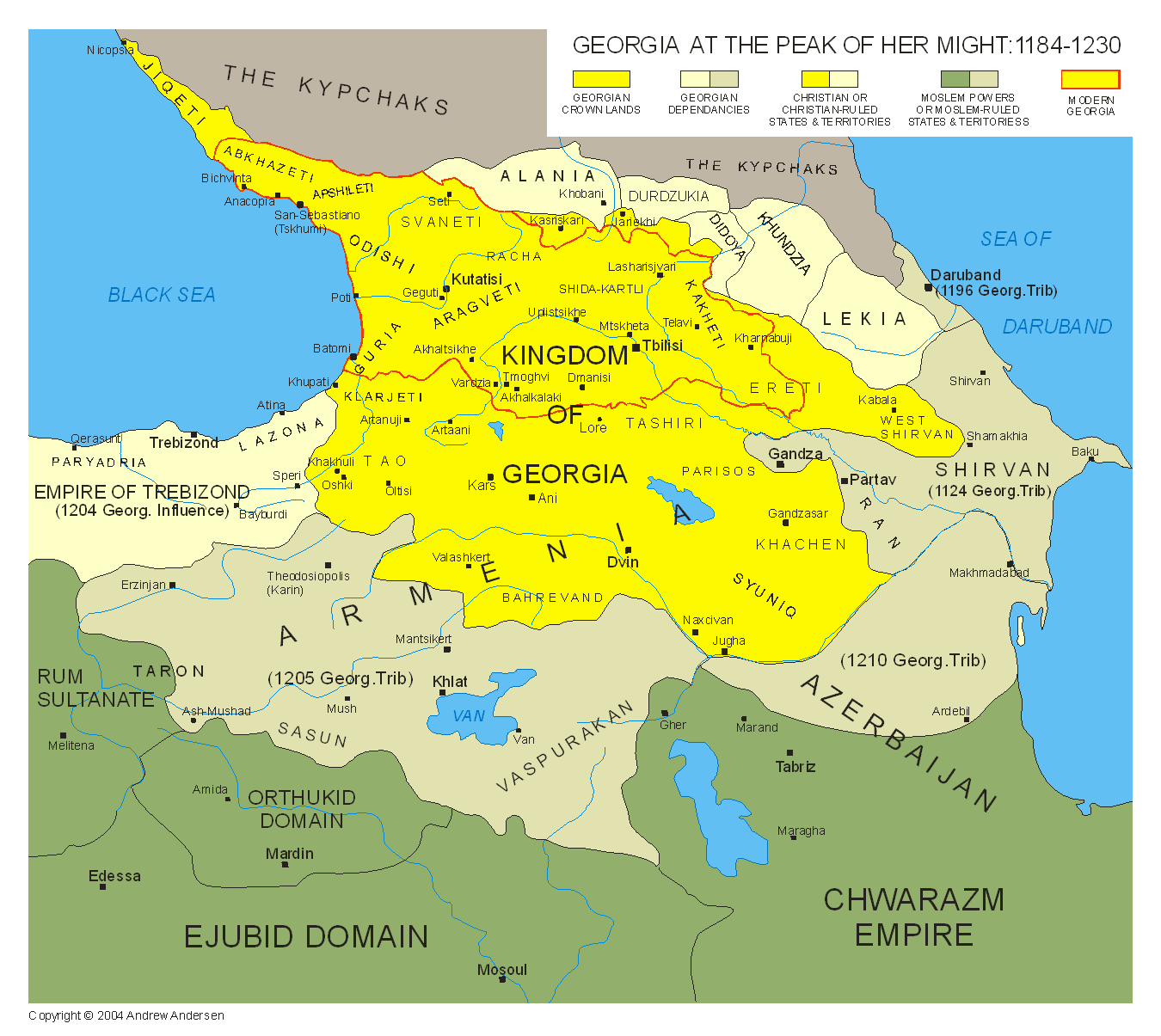
TAMAR THE GREAT: 1184 -1213 Reign of Queen Tamar was the In 1194-1204 Tamar’s armies crushed new
Turkish invasions from the south-east and south and launched several
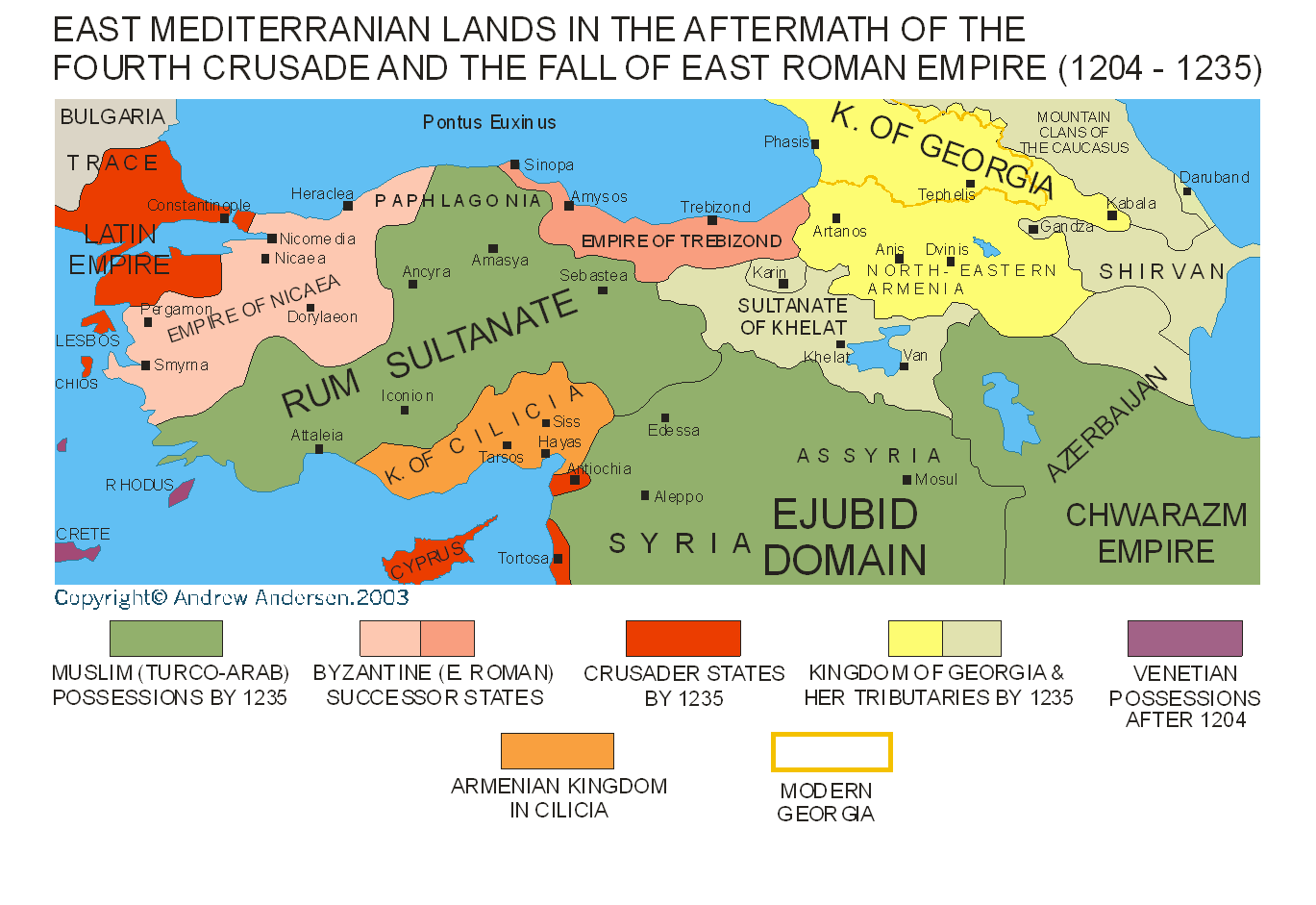
successful campaigns into Turkish-controlled The temporary fall of the Byzantine Empire
in 1204 to the Crusaders left In 1210 Georgian armies invaded northern |
|
|
|
That was the maximal extent of Click on the below maps for
full-screen images |
||
|
The period between the early 12th
and the early 13th centuries and especially, the era of Tamar the
Great, can truly be considered as the golden age of
The Golden Age was
interrupted by the Mongol invasions of the early 20s of the 13th
century. |